

Webinar Registration

“The First Simulation Effect: Understanding Nursing Students’ Physiological and Emotional Responses“
Wednesday, Oct. 28, 2026
2:00 PM ET
Webinars are one hour in length. Space is limited.
If you have issues registering for the webinar, please email marketing@ems-works.com.
Session Overview
Background: Elevated anxiety can negatively affect academic performance, health, and team functioning in healthcare education. Simulation-based learning in nursing, while educationally valuable, may provoke anxiety that influences learning outcomes and student well-being.
Methods: A cohort study using retrospective and prospective data examined self-reported anxiety and physiological anxiety indicators, including heart rate variability (HRV) and mean arterial pressure, during prebriefing, simulation, and debriefing phases. Post-simulation participant reflections were also collected, and thematic analysis was conducted to identify patterns in perceived anxiety and coping strategies.
Results: Anxiety and physiological stress responses fluctuated across simulation phases. Pre-simulation mean arterial pressure significantly predicted intra-simulation HRV, indicating baseline physiological state influences anxiety responses. Qualitative themes highlighted common stressors, coping strategies, and the role of debriefing and simulation fidelity in shaping anxiety experiences.
Conclusion: Effective prebriefing, structured debriefing, and anxiety-regulation strategies may support adaptive stress responses in simulation-based nursing education. Integrating both quantitative and qualitative insights can inform simulation design to enhance learning outcomes and promote student well-being.
By the end of this session, participants will be able to:
Analyze the core components of the “Safe Container” framework to identify key strategies that mitigate learner anxiety during high-fidelity simulation.
Evaluate the impact of environmental and physical transitions—such as debriefing locations—on learner psychological safety.
Apply structured feedback tools and evidence-based strategies within simulation design to foster clinical competency and professional growth.
Presented by:

Deb Halliday, PhD, RN
Moravian University
Helen S. Breidegam School of Nursing
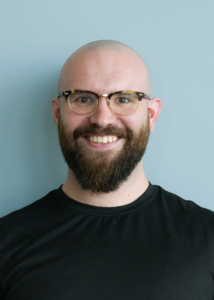
Tom Waring, CHSOS
Lead Simulation Technologist
NAIT Centre for Advanced Medical Simulation
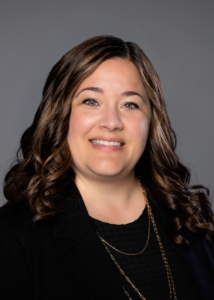
Lisa George, M.Ed., CLXT, CHSE
Associate Chair
NAIT Centre for Advanced Medical Simulation
About the Presenter: Susan Solman, DPM, RPh, is President of Solman Disability Consultants and a retired Associate Professor at FIU’s Herbert Wertheim College of Medicine/MPAS. She pioneered the use of people living with paralysis as educators in disability-focused healthcare education. In partnership the Simulation Center, she developed immersive learning experiences designed to help future healthcare professionals build the knowledge, skills, and confidence needed to provide appropriate care for people with disabilities.
As a national speaker and consultant, Dr. Solman draws on her lived experience with paralysis, clinical expertise, and background in health professions education to advance disability inclusion and health equity in healthcare.