
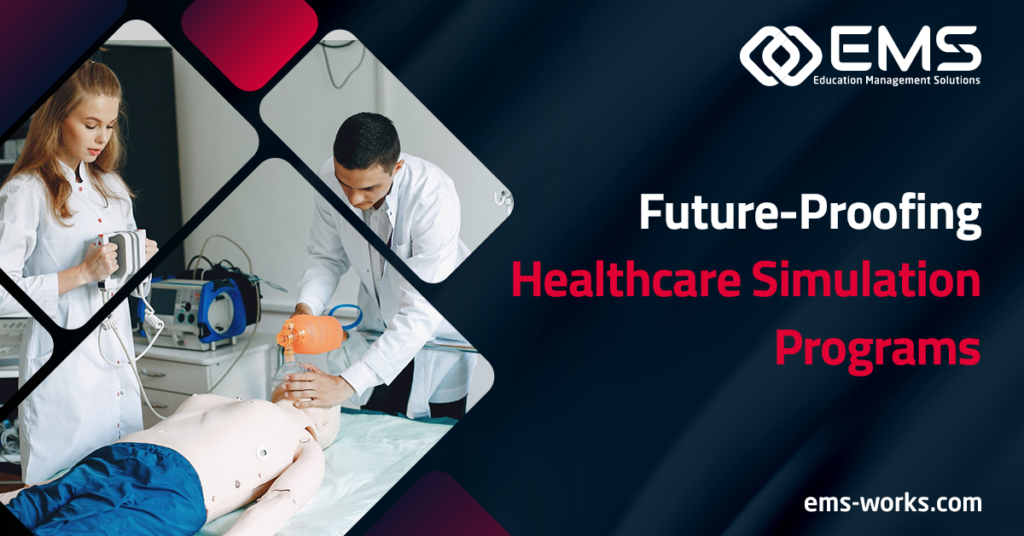
New technologies, learning platforms, and simulation devices appear every year in healthcare simulation. For many programs, the challenge isn’t just adopting innovation, it’s ensuring today’s investments still support tomorrow’s needs. That’s where future proof healthcare simulation planning becomes essential.
One of the most effective strategies for long-term sustainability is building simulation programs around agnostic hardware and software systems.
Why Future-Proofing Matters in Healthcare Simulation
Simulation programs require significant investments in equipment, facilities, and digital infrastructure. When systems are tightly tied to a single vendor or platform, upgrades and integrations can become costly and complicated.
A strategy to future proof healthcare simulation programs focuses on flexibility. It allows institutions to adopt new technologies, expand training capabilities, and update learning tools without needing to replace entire systems.
The Value of Hardware-Agnostic Planning
Hardware-agnostic environments support devices from multiple manufacturers. This flexibility ensures programs are not locked into one vendor’s ecosystem.
Benefits include:
- Greater equipment choice as new simulation technologies emerge
- Reduced long-term costs by avoiding full-system replacements
- Easier upgrades and expansions as programs grow
- Improved compatibility across different simulation devices
For example, audiovisual systems designed to work with multiple simulation manikins and room configurations provide far greater longevity than proprietary setups.
The Importance of Software-Agnostic Systems
Just as important as hardware flexibility is software independence. Learning platforms, AV management systems, and data tools should integrate easily with other technologies.
Software-agnostic planning enables:
- Integration with existing LMS platforms
- Compatibility with new simulation software tools
- Easier data management and reporting
- Greater control over system updates and features
Programs that prioritize interoperability create environments where technology evolves alongside educational needs.
Planning for Long-Term Simulation Success
Future-proofing is not about predicting the next device or platform, it’s about creating systems that adapt to change. When simulation centers prioritize agnostic infrastructure, they gain the freedom to adopt innovations without rebuilding their technology foundation.
For institutions looking to future proof healthcare simulation, the key is simple: design flexible systems today that will support the training environments of tomorrow.
With thoughtful planning and vendor-neutral technologies, simulation programs can remain scalable, sustainable, and ready for whatever the future of healthcare education brings. To learn how EMS can help you plan the growth of your simulation program, contact one of our solution experts today.